
Paidia Feedback Laboratory examines computer games as closed feedback systems, as servomechanisms or control chains that may or may not involve human elements. In an ongoing series of artistic experiments the feedback behaviour of games is studied and put in new contexts through modifications of hardware and software, creating an open structure of artifacts, schematics and patterns. The focus lies not on the usability of games, but rather on an archeology of interaction – determining the limits and boundaries of games in order to understand the media specific characteristics of computer games and the spaces they create.
Selected Experiments
feedback #1
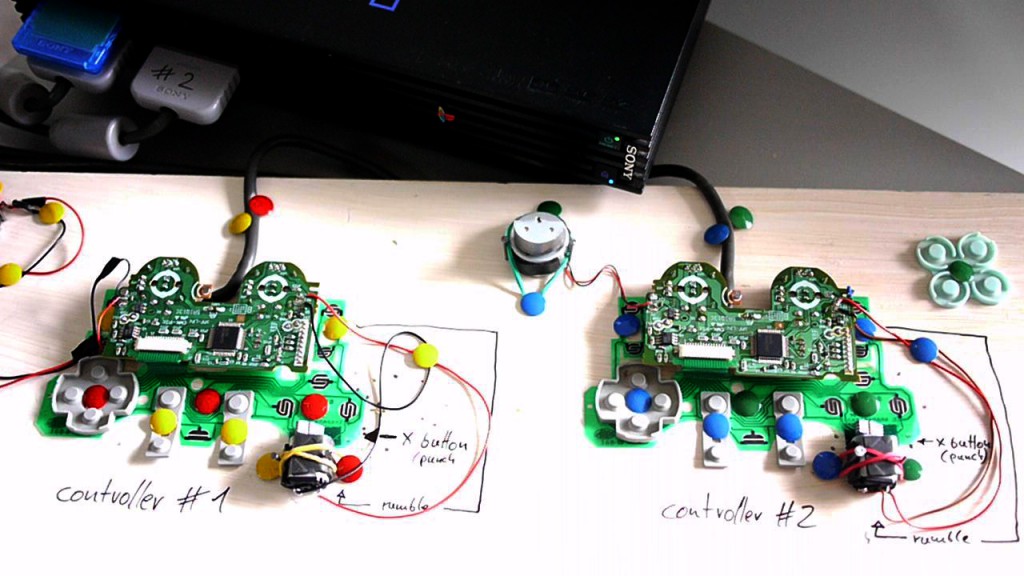
TV, Playstation 2, modified controller (2x), game (Virtua Fighter)
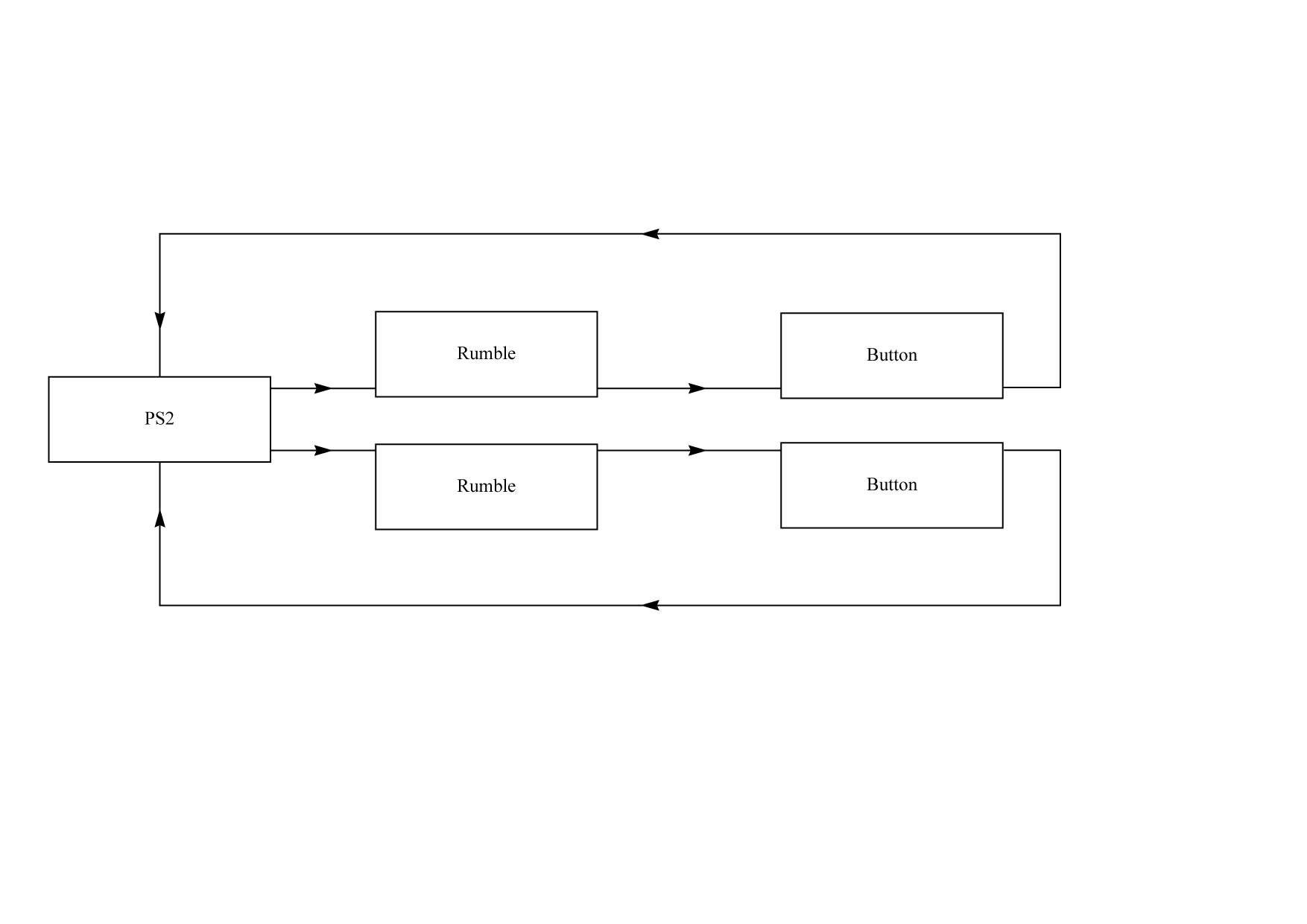
It is therefore convenient to analyse the controller into a series of elements with the output of each as the input of the succeeding one. The operative quantity passed from each element is called a signal. […]
R. H. Macmillan: An Introduction to the Theory of Control in Mechanical Engineering, Cambridge University Press, 1955
feedback #2
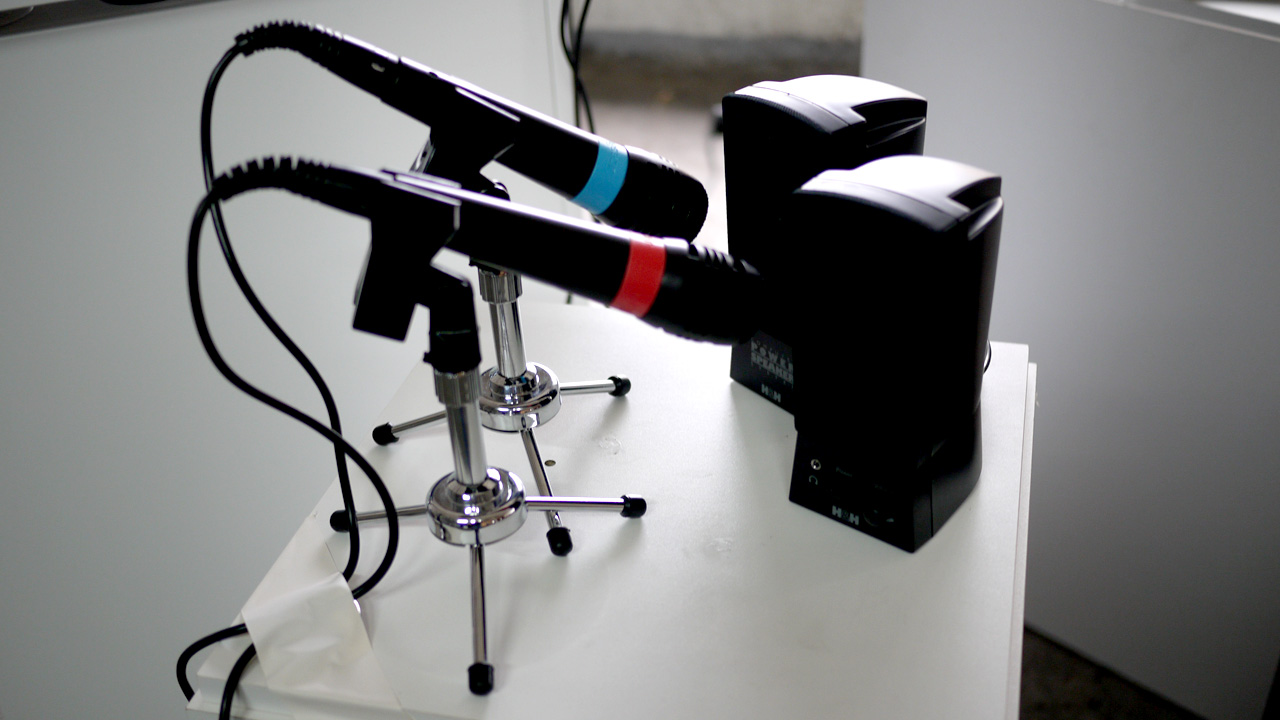
TV, Playstation 2, microfone (2x), speaker, game (Sing Star)
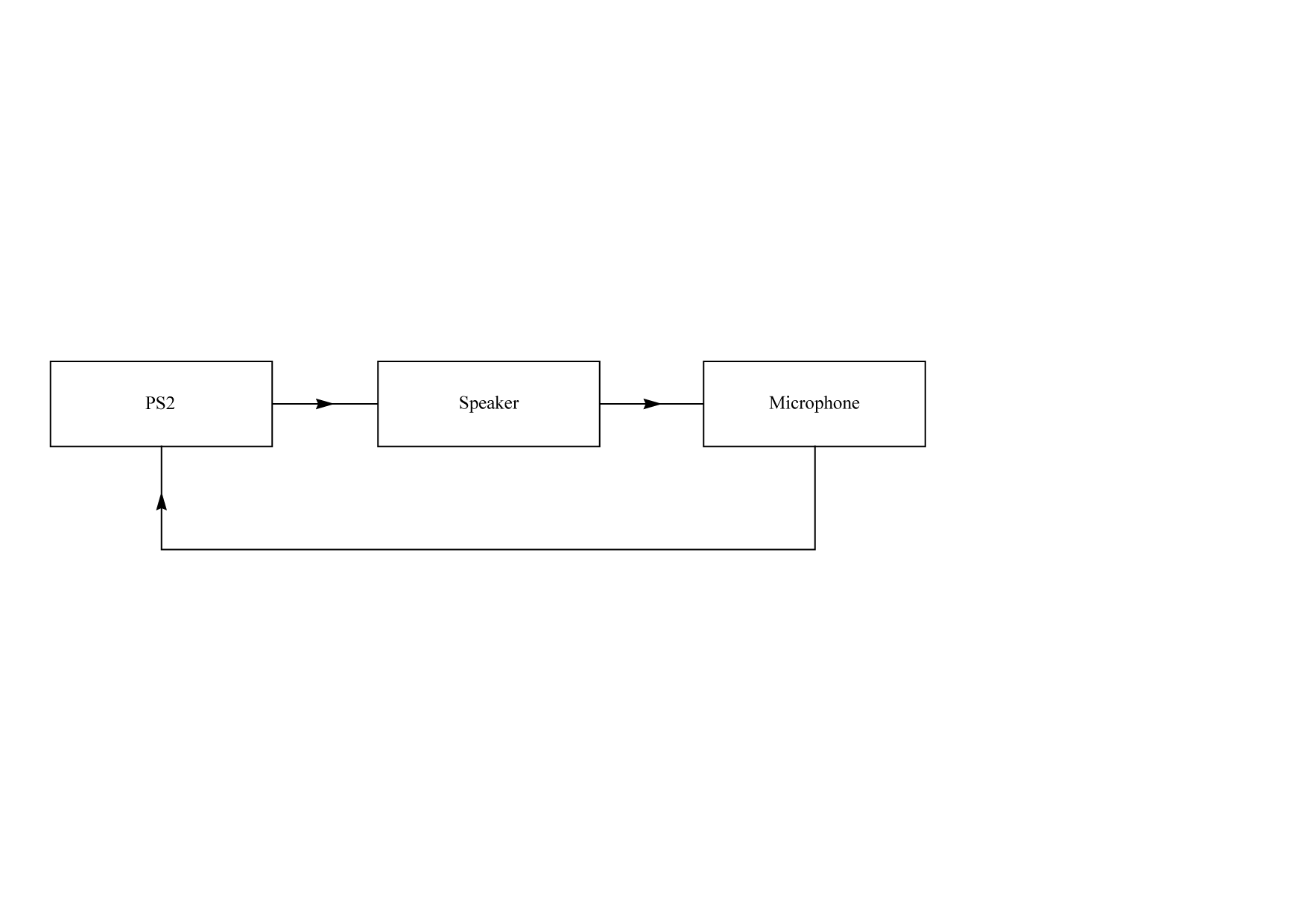
The block diagram is heavily used to determine transfer functions of composite systems. An exact description of the behavior of the internal system dynamics is not needed for classical design; that is, only the input/output behavior of the system is of importance.
F. L. Lewis: A Brief History of Feedback Control, in: Applied Optimal Control and Estimation, Prentice-Hall, 1992
feedback #3
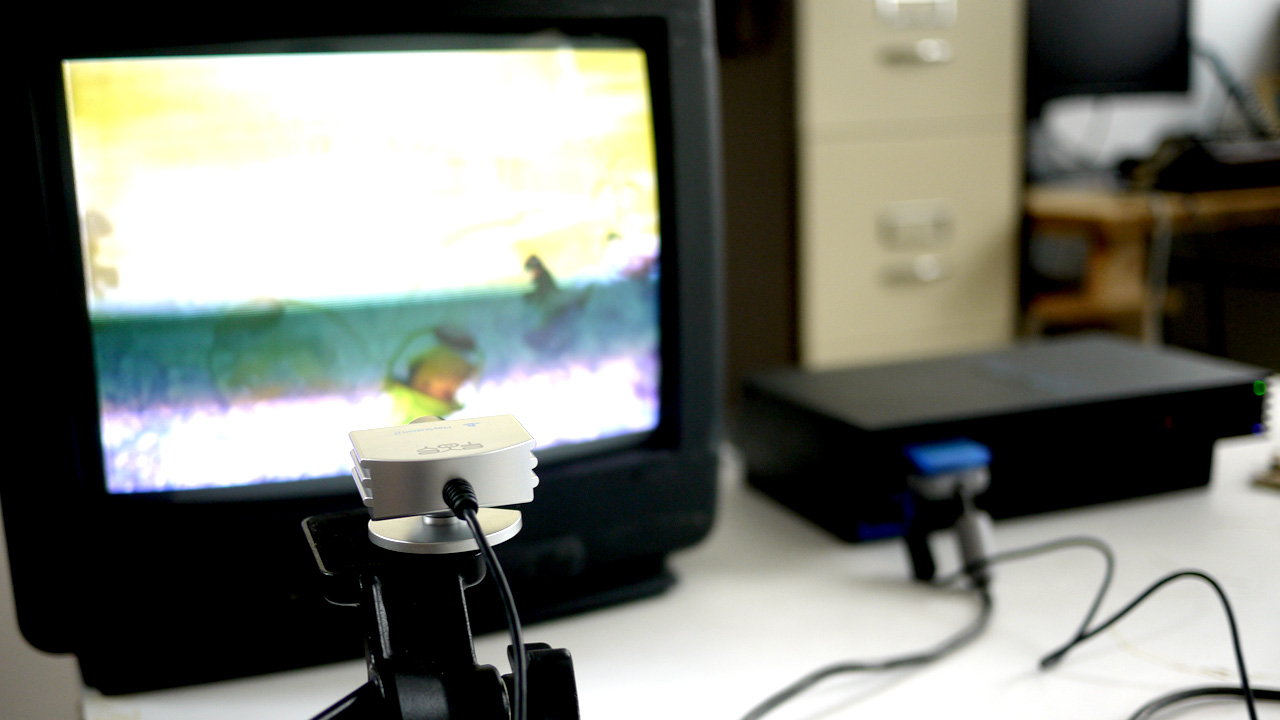
TV, Playstation 2, camera, game (EyeToy Play: Wishi Washi)
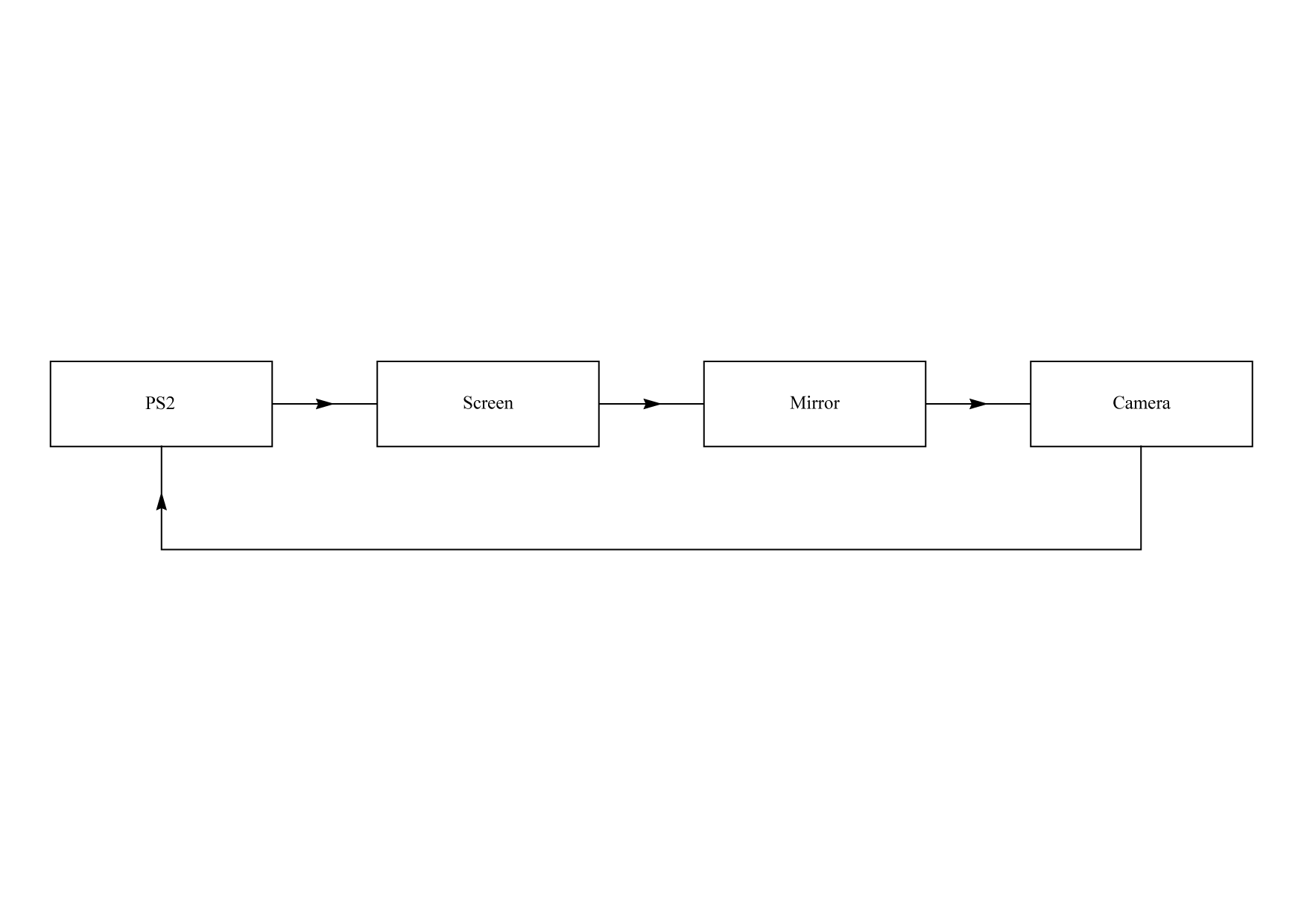
feedback #4
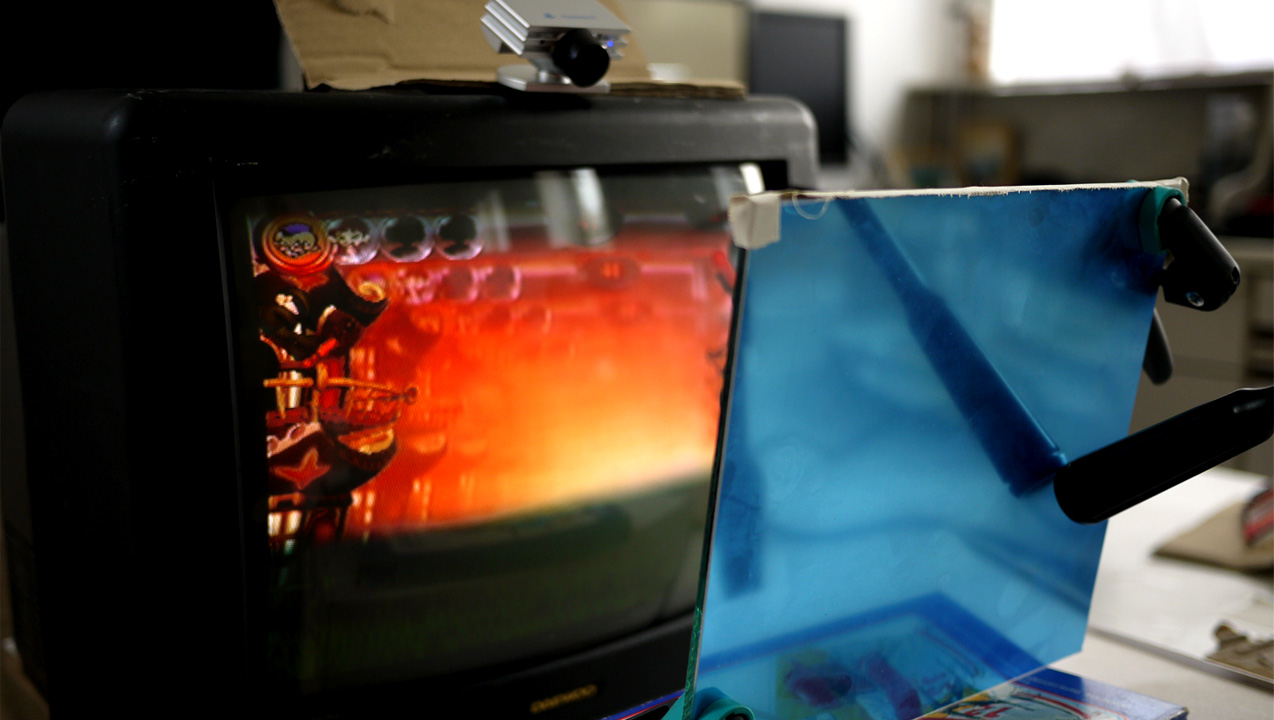
TV, Playstation 2, camera, mirror, game (EyeToy Play: Kung Foo)

feedback #5
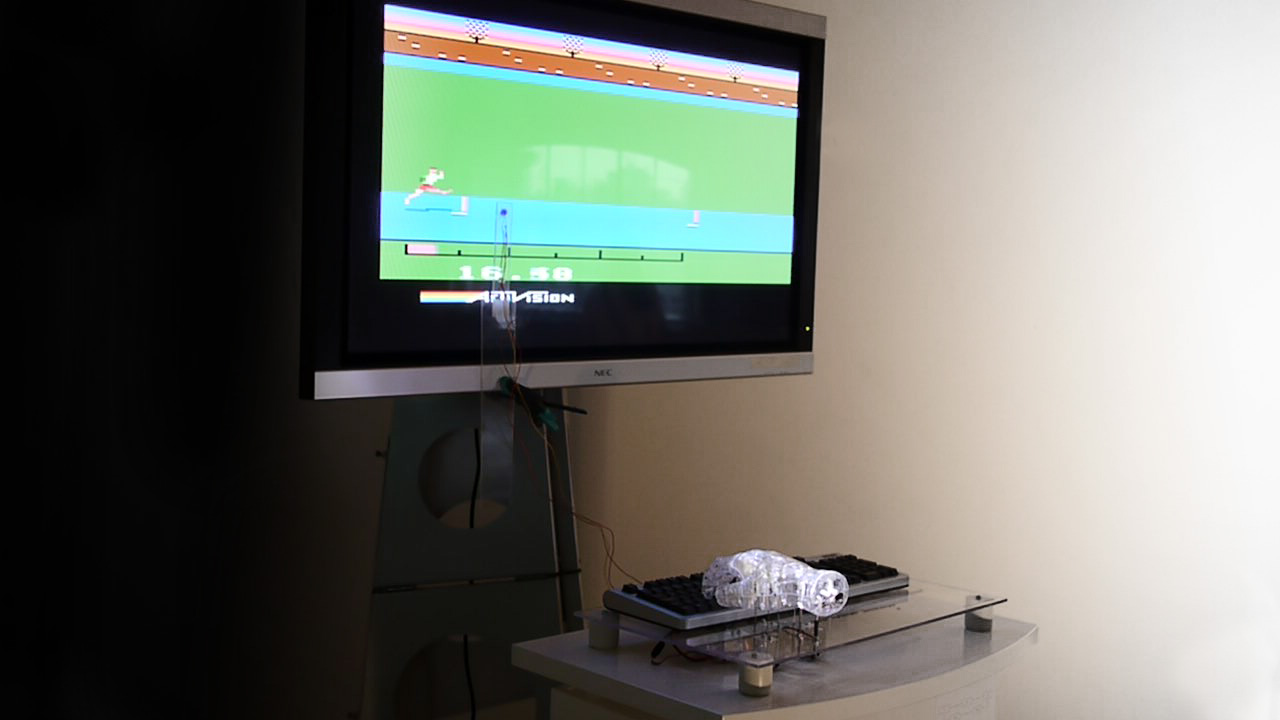
PC, monitor, keyboard, robotic hand, LDR, Arduino, game (decathlon)
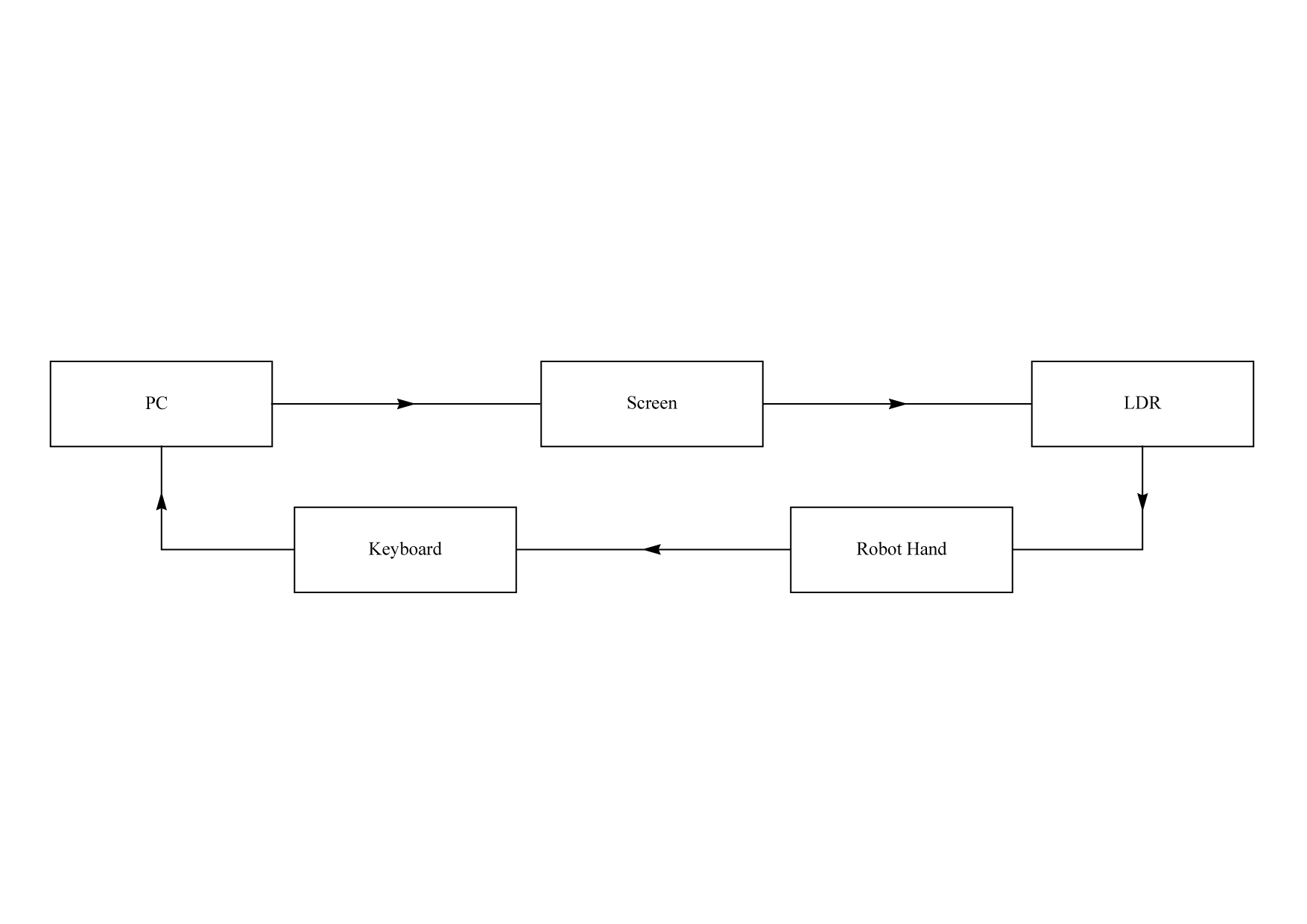
Any system including a human element is manually controlled; […] If the human operator is replaced by a mechanism which performs the the same functions, the control is then automatic.
R. H. Macmillan: An Introduction to the Theory of Control in Mechanical Engineering, Cambridge University Press, 1955
feedback #6
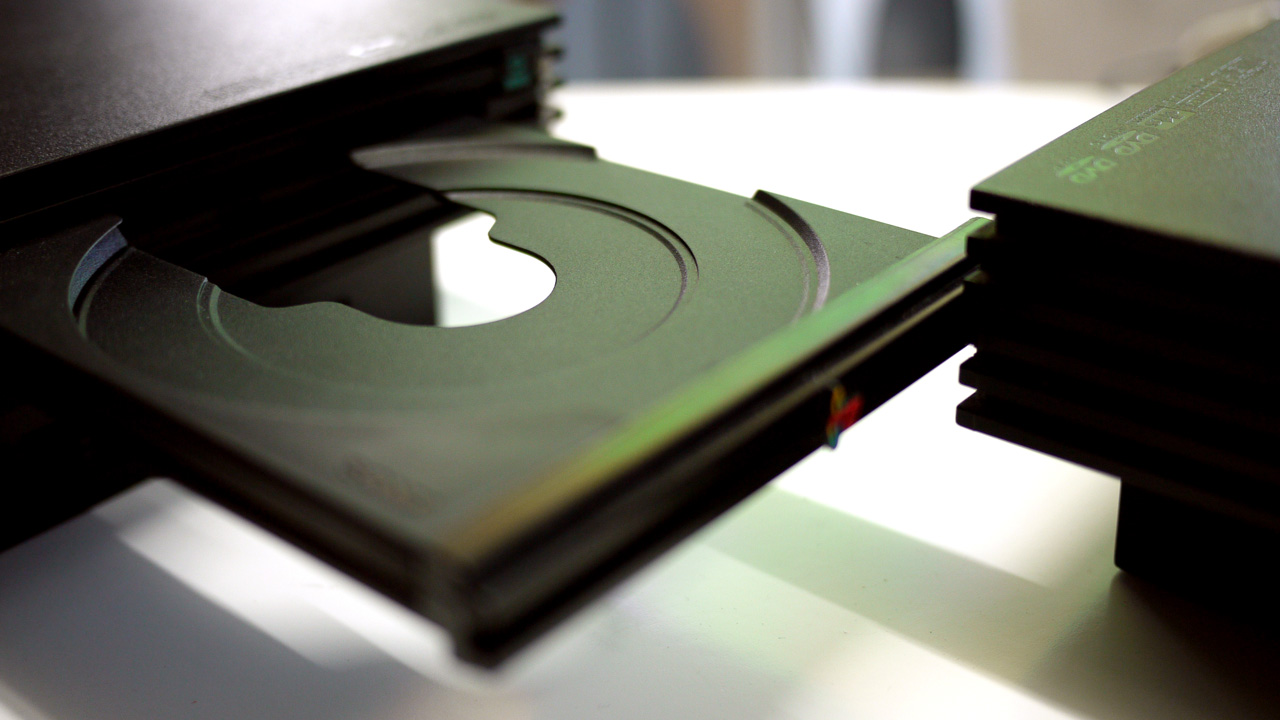
Playstation 2 (2x)
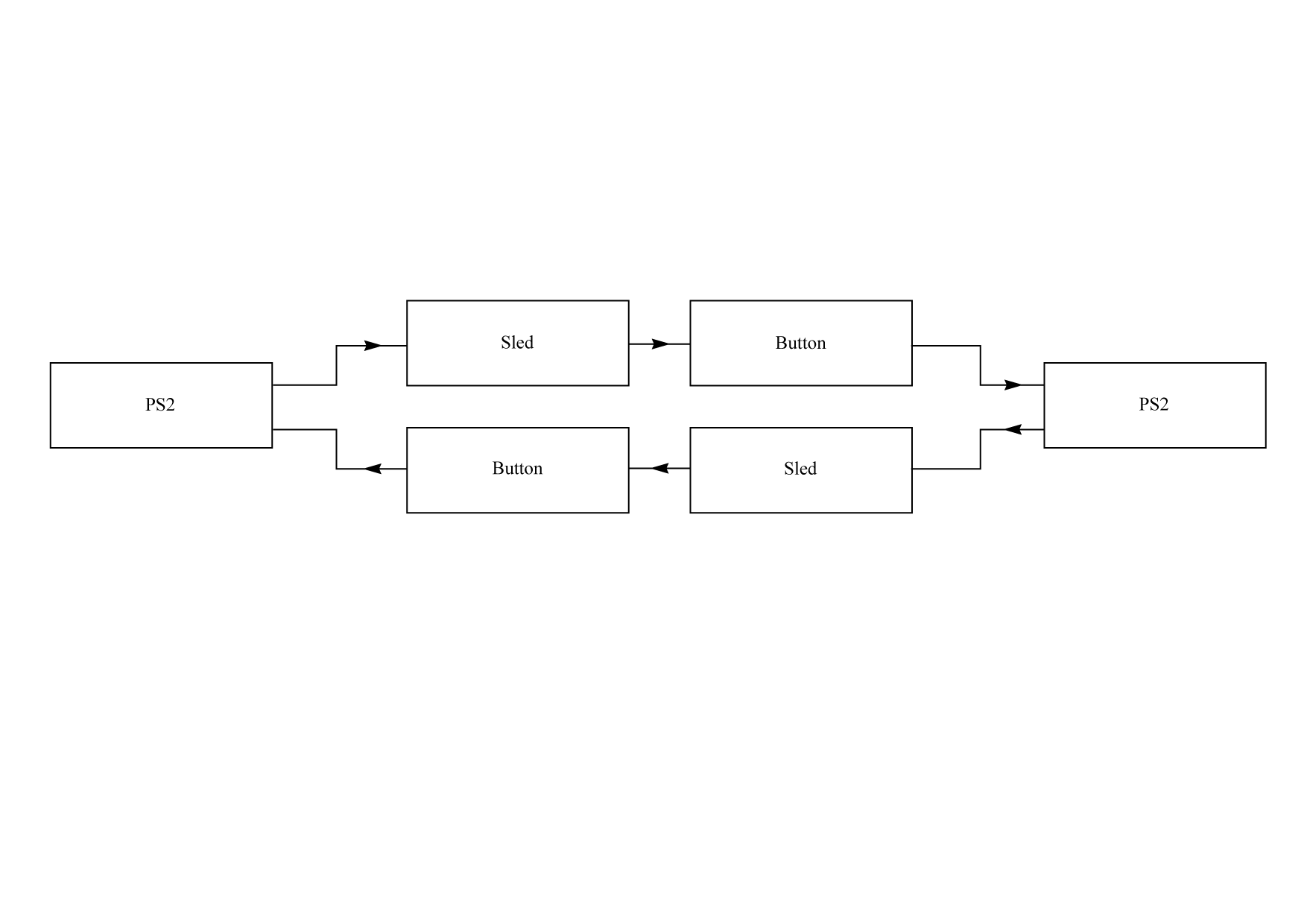
feedback #7
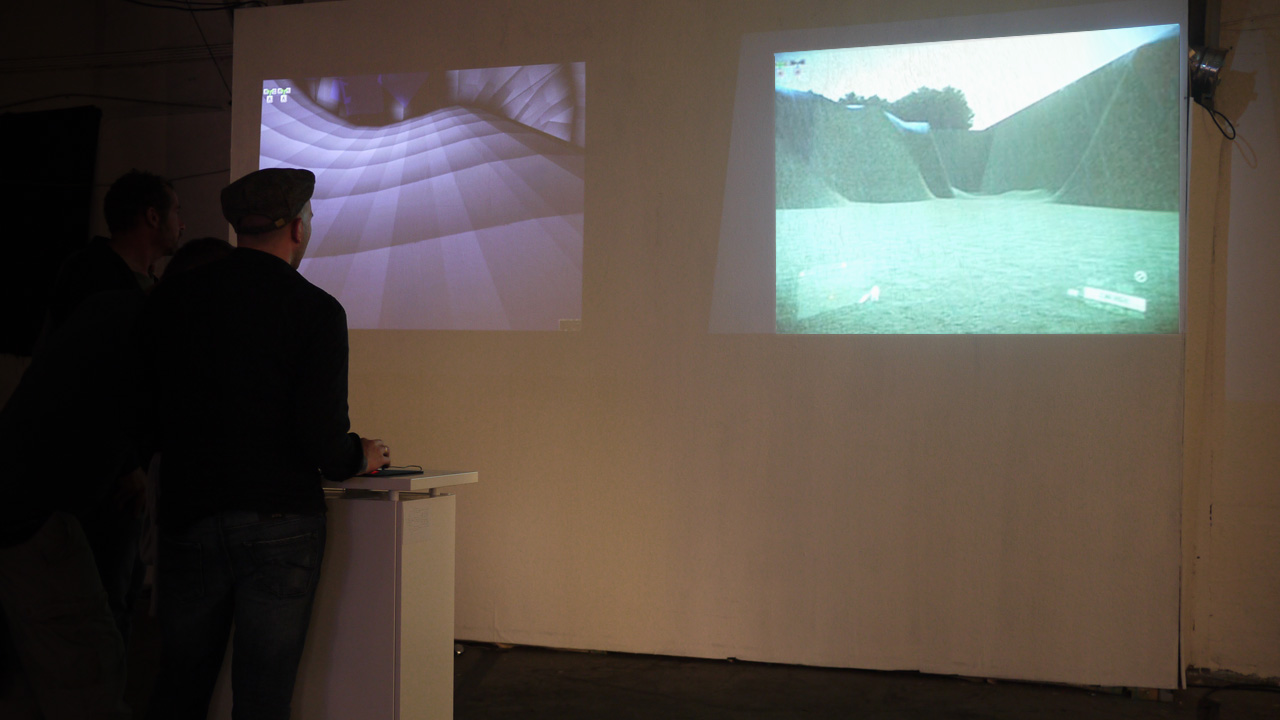
PC, projector (2x), keyboard, mouse, game (Unreal Tournament), game (CryENGINE)

It is common practice to use a human being as one of the links in the chain of elements of a control system. He may perform a simple operation […] or a superficially more complicated one, like steering a car; he then has to observe the difference between his car’s actual heading and the desired heading, […] and move his steering wheel to bring them into coincidence. […]
R. H. Macmillan: An Introduction to the Theory of Control in Mechanical Engineering, Cambridge University Press, 1955
feedback #8
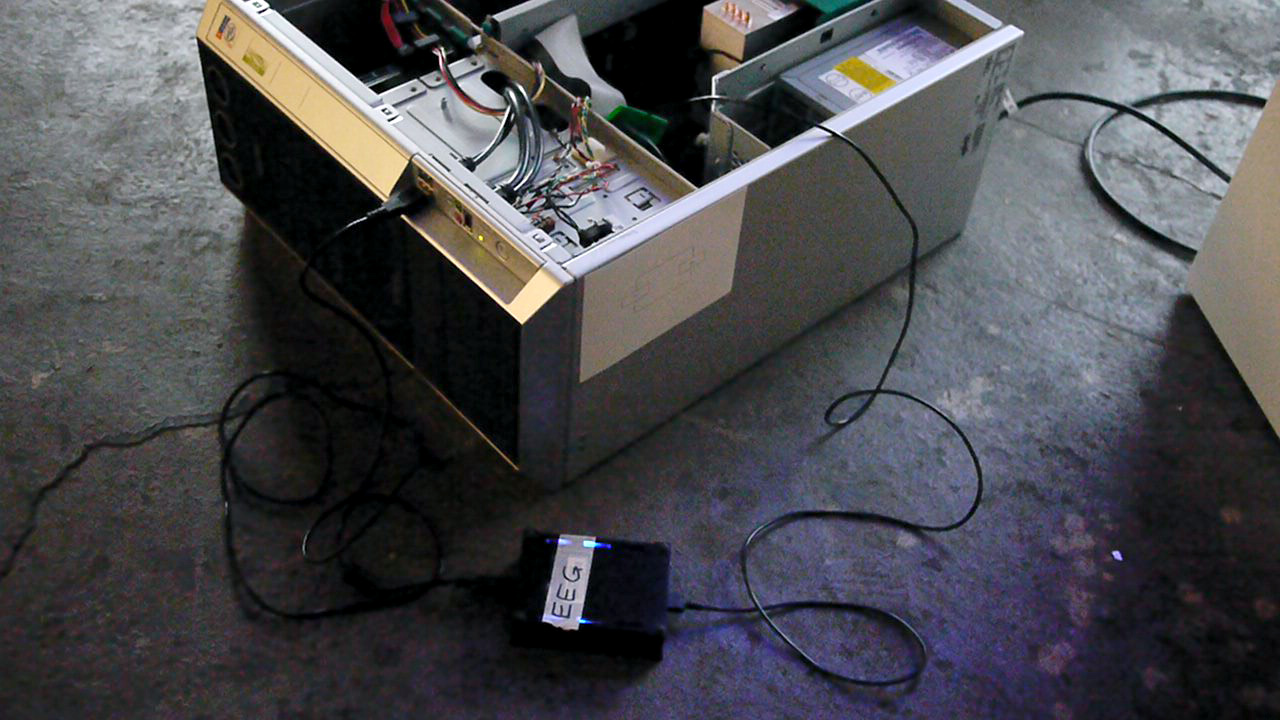
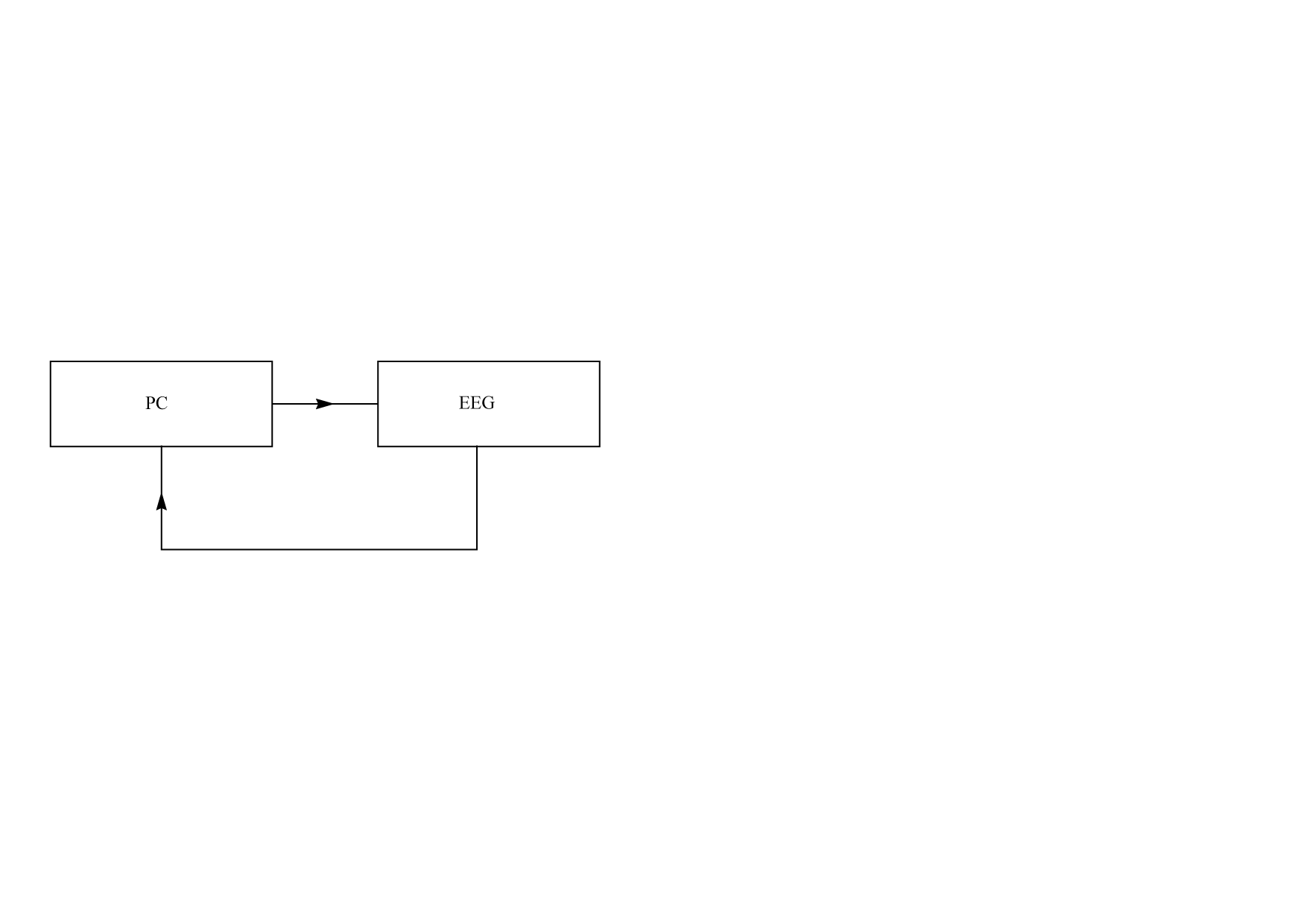
PC, monitor, EEG, game (Alpha wave)
Wireframe, 2011
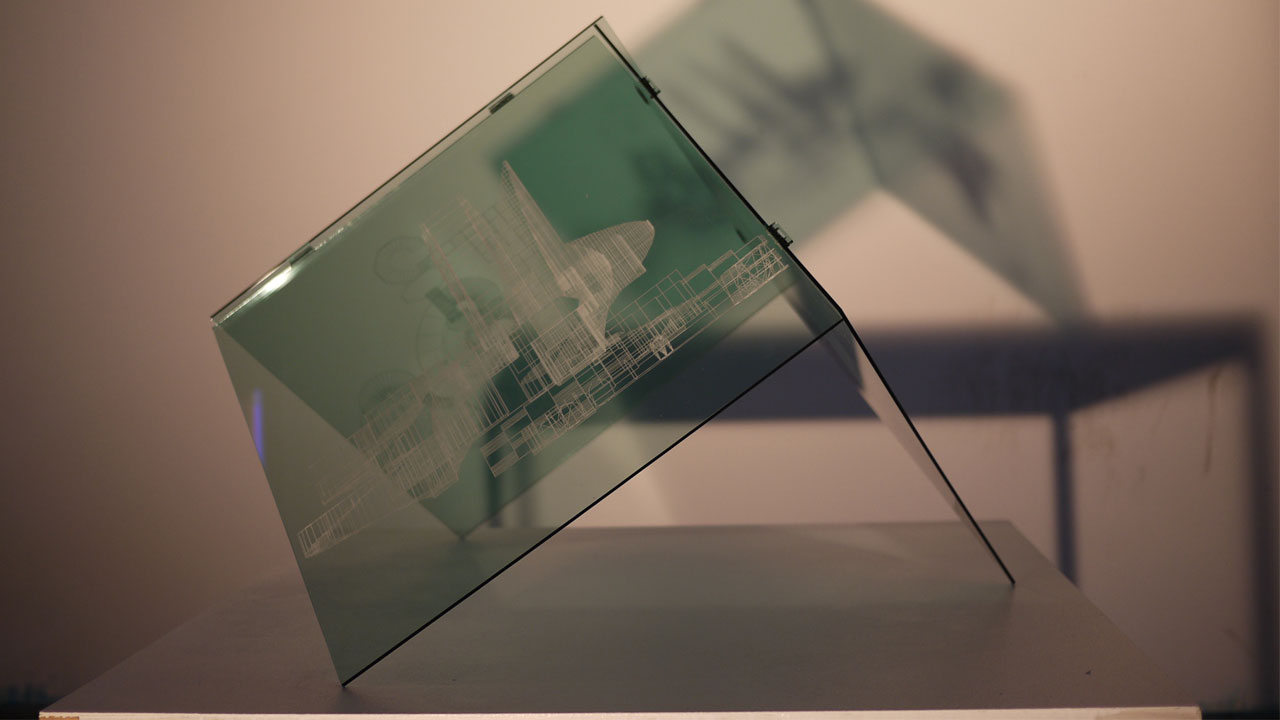
acrylic glass
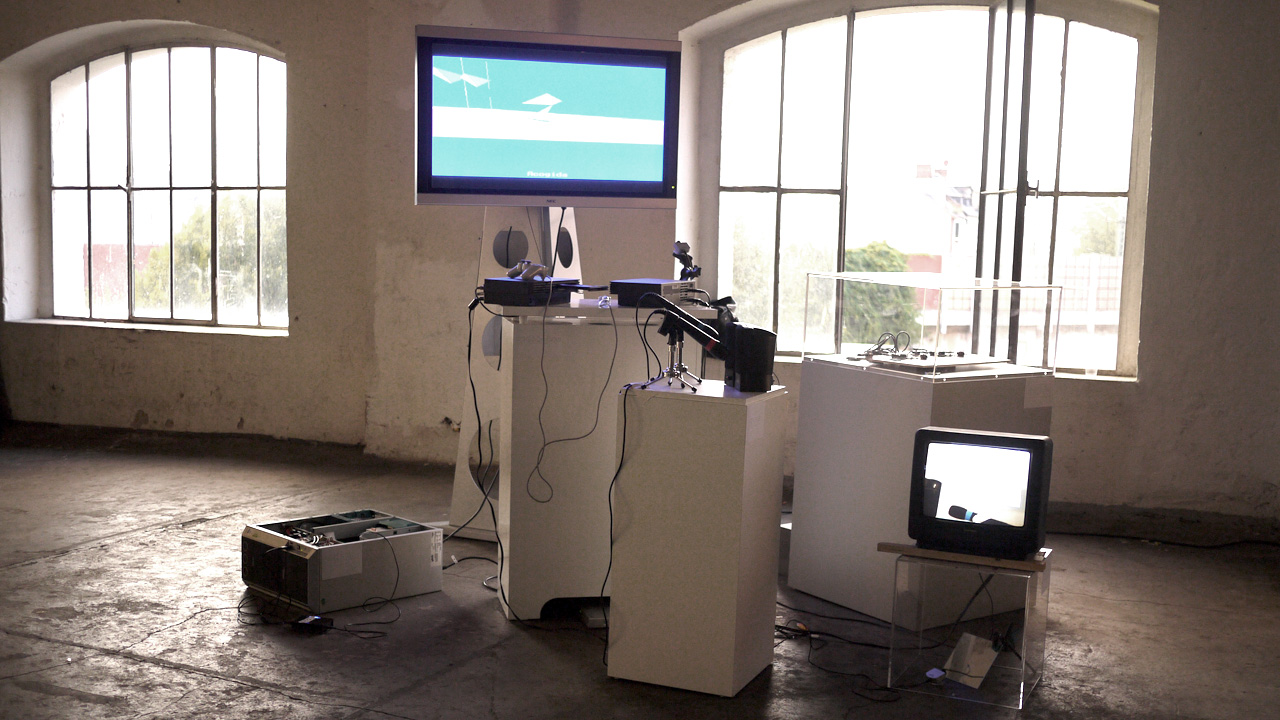
Paidia Laboratory: Feedback was shown at
Platine 2011 (Cologne, August 15th-19th)
transmediale 12 in/compatible (Berlin, 2012 Jan. 29th – Feb. 5th) Exhibition Flyer
CHAOS! KOMPLEXITÄT IN KUNST UND WISSENSCHAFT (Munich, 2012 Sep. 11th – Dec. 15th)ZKM_Gameplay (ZKM, Karlsruhe, 2013 21st June – now)
Computerspielen — Perspectives of Play at Dortmunder U/Museum Ostwall (2013 Dec. 6th – 2014 3rd Jan.)
3 responses to “Paidia Laboratory: feedback”
[…] games, controllers and physical artifacts into a self playing machine. The project expands upon Paidia Laboratory: Feedback realizing a Rube Goldberg machine that crosses boundaries of platforms, interfaces and […]
[…] controllers and physical artifacts into a self playing machine. The project expands upon Paidia Laboratory: Feedback realizing a Rube Goldberg machine that crosses boundaries of platforms, interfaces and […]
[…] more at paidia laboratory: feedback […]